
How Does The War in Iran Affects People in Kitchener?
A group of people pushed the entire world into a crisis. But how?
POLITICS
4/4/20263 min read
If you think the war in Iran only affects people who own a car because of rising gas prices, you’re wrong.
World politics has taken a sharp turn since Donald Trump took office in the United States. “Canada as the 51st state,” global tariffs, Greenland, Venezuela, and now Iran. The controversial leader never seems to leave the top spot in breaking news.
His latest move was launching attacks on Iran on February 28.
Following these attacks, Iran retaliated by threatening and restricting traffic through the Strait of Hormuz, one of the most critical oil routes in the world. This narrow passage normally carries a massive share of global oil supply, meaning any disruption quickly sends prices soaring.
As tankers slowed down or stopped altogether, global oil supply tightened and gas prices surged worldwide.
That’s the part of the story everyone already knows.
But there’s more.
Let’s take a closer look at how a war thousands of kilometres away can quietly make all of us poorer.
The Problem Starts in Hormuz
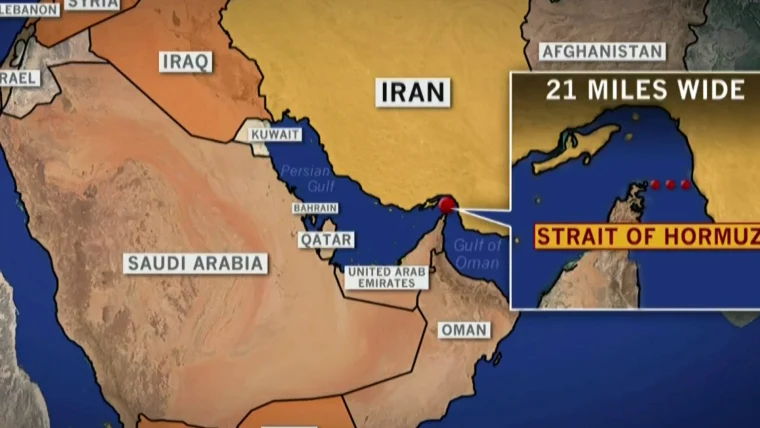
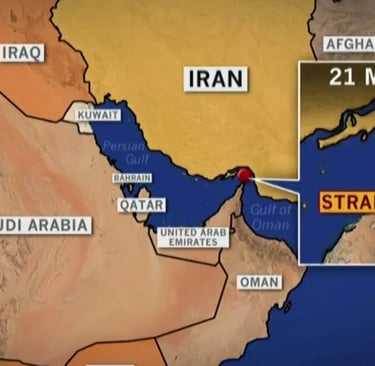
Since the attacks started, Iran has been using every opportunity it has to counterattack. Closing the 21-mile-wide cannal right below the country was one of them.
This narrow cannal used to connect Persian Gulf and Gulf of Oman, and allow 20 million barrels of oil to be transferred to the world from the 'körfez ülkeleri'. This is equivelent to 20%-25% of total global oil consumption.
When you close such an important passage and deprive the world of the oil passing through, the supply gets lower and prices hike.
If Canada Produces Oil, Why Are Prices Still Going Up?
At this point, a fair question comes up: Canada produces its own oil. So why are prices still rising here?
The answer is simple but not always obvious to people like us.
Oil is not priced locally. It’s priced globally.
Even though Canada has large oil reserves, especially in Alberta, the price you pay at the pump is still influenced by global markets. When supply is disrupted anywhere in the world, especially in critical routes like the Strait of Hormuz, global oil prices react immediately.
And Canada is part of that system.
It’s Not Just Gas Prices
Yes, you will notice it at the pump. But that’s only the beginning.
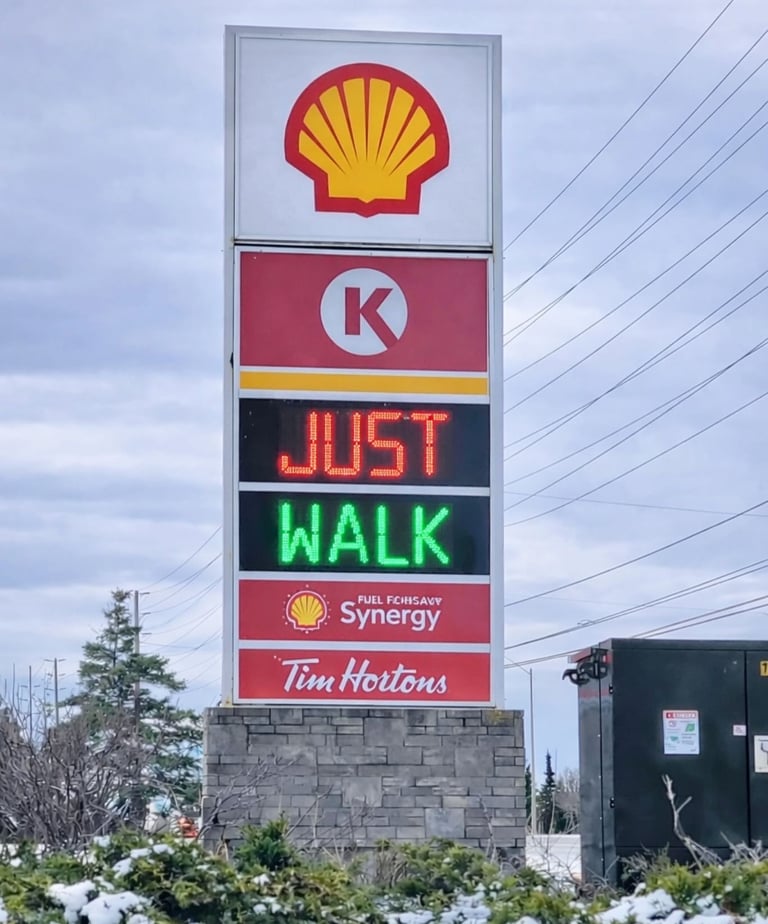
Grocery prices start to rise because transporting goods costs more. Airlines adjust ticket prices. Delivery services increase fees. Even local businesses in Kitchener-Waterloo begin to feel the pressure as operating costs go up.
In simple terms: Higher oil prices = higher transportation costs = higher cost of living.
And it happens fast.
A Chain Reaction We Can’t See
What makes this situation more complex is how invisible it is.
There’s no single moment where prices suddenly “jump” for everything. Instead, it’s a chain reaction. A slow increase across different sectors.
One week, gas prices go up.
The next week, groceries feel more expensive.
A month later, rent and services start adjusting.
And by the time we fully notice it, the cost of living has already changed.
Why Regions Like Waterloo Feel It Too
You might think this mainly affects big cities or countries closer to the conflict. But regions like Kitchener-Waterloo are just as connected to the global economy.
Local businesses rely on global supply chains. Restaurants depend on imported ingredients. Construction projects depend on materials shipped from different parts of the world.
So when something breaks in the system, the impact travels quickly.
And usually, the final cost lands on the consumer.
So What Happens Next?
That depends on how long the tension continues.
If disruptions in the Strait of Hormuz persist, global markets may remain unstable. Governments might step in with policies or reserves, but those are often short-term solutions.
For individuals, it becomes a question of adaptation. Spending habits change. People look for alternatives; public transit, cheaper products, fewer unnecessary expenses.
Long Story Short
A war doesn’t need to happen next door to affect your life.
In today’s world, everything is connected. A decision made in one part of the world can shape the cost of living somewhere else, quietly but powerfully.
So no, this isn’t just about gas prices.
It’s about how global events slowly make their way into our daily lives; into what we buy, how we live, and how much we pay for it.
And sometimes, we don’t even realize it’s happening until it’s already too late.
Share your thoughts in the comments!
Resources We Used in This Article
Britannica. (April 4, 2026). Strait of Hormuz. https://www.britannica.com/place/Strait-of-Hormuz
Byman, D. (April 2, 2026). Who Is Winning the Iran War? https://www.csis.org/analysis/who-winning-iran-war
Strait of Hormuz on the map (NBC News).