
This Indigenous Event in Kitchener Takes You Back in Time
A journey through tradition, music, and community.
4/10/20263 min read
The annual Traditional Pow Wow in Kitchener brought together Indigenous and non-Indigenous community members to celebrate culture, music and tradition while highlighting the ongoing importance of Indigenous history and reconciliation in Canada.
To understand why events like this matter, it helps to look at the history that shaped the relationship between Indigenous Peoples and Canada.
Indigenous Peoples Were Here Long Before Canada
Long before Canada became a country, Indigenous Peoples — First Nations, Inuit and Métis — had established diverse societies across the land now known as Canada. They spoke different languages, maintained distinct cultures and governance systems, and developed ways of life adapted to their local environments.
Many Indigenous communities have long maintained deep relationships with the land, emphasizing respect, responsibility and stewardship. Those relationships were significantly disrupted following European colonization, as new systems of land ownership, governance and religion were introduced.
A Difficult History
The arrival of European traders, missionaries, soldiers and settlers profoundly changed Indigenous ways of life. Many Indigenous people died from diseases introduced by Europeans, to which they had little or no immunity.
As Canada developed, government policies increasingly restricted the rights and traditional practices of many Indigenous communities. Treaties were signed across the country, but many remain the subject of ongoing disputes regarding their interpretation and implementation. Many communities were displaced from their traditional territories, and access to land and resources became increasingly limited.
One of the most significant chapters in this history was the residential school system. For more than a century, Indigenous children were removed from their families and placed in government-funded, church-run schools that sought to assimilate them into Euro-Canadian society by suppressing their languages, cultures and identities.
The effects of the residential school system continue to be felt by many Indigenous families and communities today.
Reconciliation in Communities
In recent years, Canada has taken steps toward reconciliation through initiatives such as the Truth and Reconciliation Commission, public apologies and educational programs. Community events also play a role in increasing public awareness and creating opportunities for cultural exchange.
Pow Wows are among those events.
What Is a Pow Wow?
A Pow Wow is a gathering where Indigenous communities come together to celebrate culture, traditions and community through drumming, singing, dancing and ceremonies that have been passed down through generations.
Historically, some Indigenous ceremonies, including Pow Wows, faced government restrictions under federal policies. Despite those restrictions, many communities preserved these traditions and continued to practise them.
Today, Pow Wows provide opportunities to celebrate Indigenous cultures while welcoming visitors to learn about their traditions and history.
The Pow Wow in Kitchener
The Traditional Pow Wow held in Kitchener welcomed both Indigenous and non-Indigenous attendees. Throughout the event, participants shared songs, dances, performances and cultural traditions that reflect generations of Indigenous knowledge and heritage.
For many attendees, the event offered an opportunity to learn more about Indigenous cultures in an interactive and community-focused setting.
In a diverse region such as Kitchener-Waterloo, events like this provide opportunities for residents from different backgrounds to engage with Indigenous traditions and perspectives.
Why It Matters Today
Indigenous history remains an important part of Canada's present. Pow Wows demonstrate that Indigenous cultures continue to thrive while preserving traditions and strengthening community connections.
Looking Ahead
Canada's relationship with Indigenous Peoples continues to evolve through ongoing efforts in education, reconciliation and community engagement.
While events such as the Traditional Pow Wow cannot address every challenge, they provide opportunities for cultural exchange, learning and dialogue between Indigenous and non-Indigenous communities.
EBY News covered the 16th Annual Traditional Pow Wow in Kitchener. You can watch the full story below.

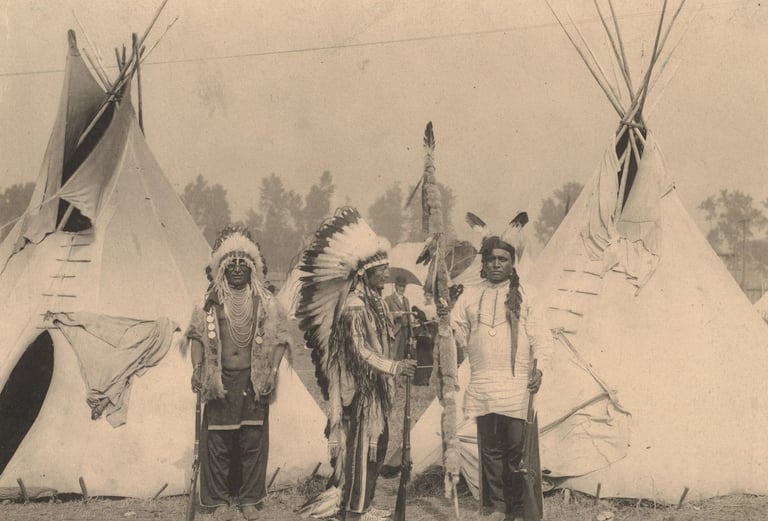
A historical photograph of Indigenous community members. (Tribal Trade)
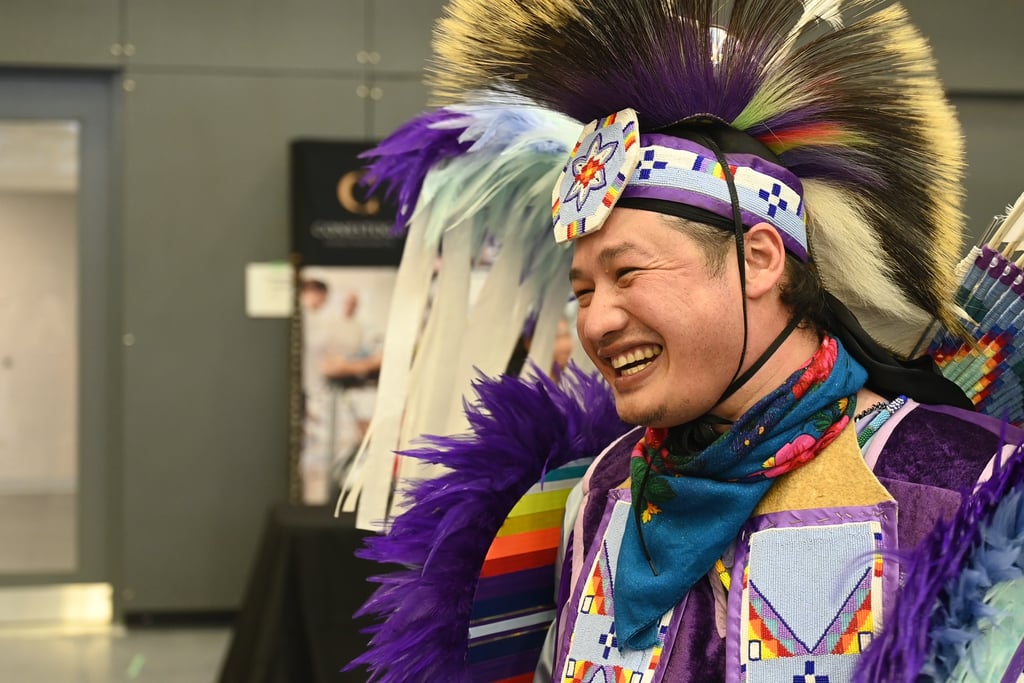
An Indigenous dancer performs at the 16th Annual Traditional Pow Wow in Kitchener. (EBY News)